Empowering Your Wellness: Navigating the World of Toxins in Personal Care Products
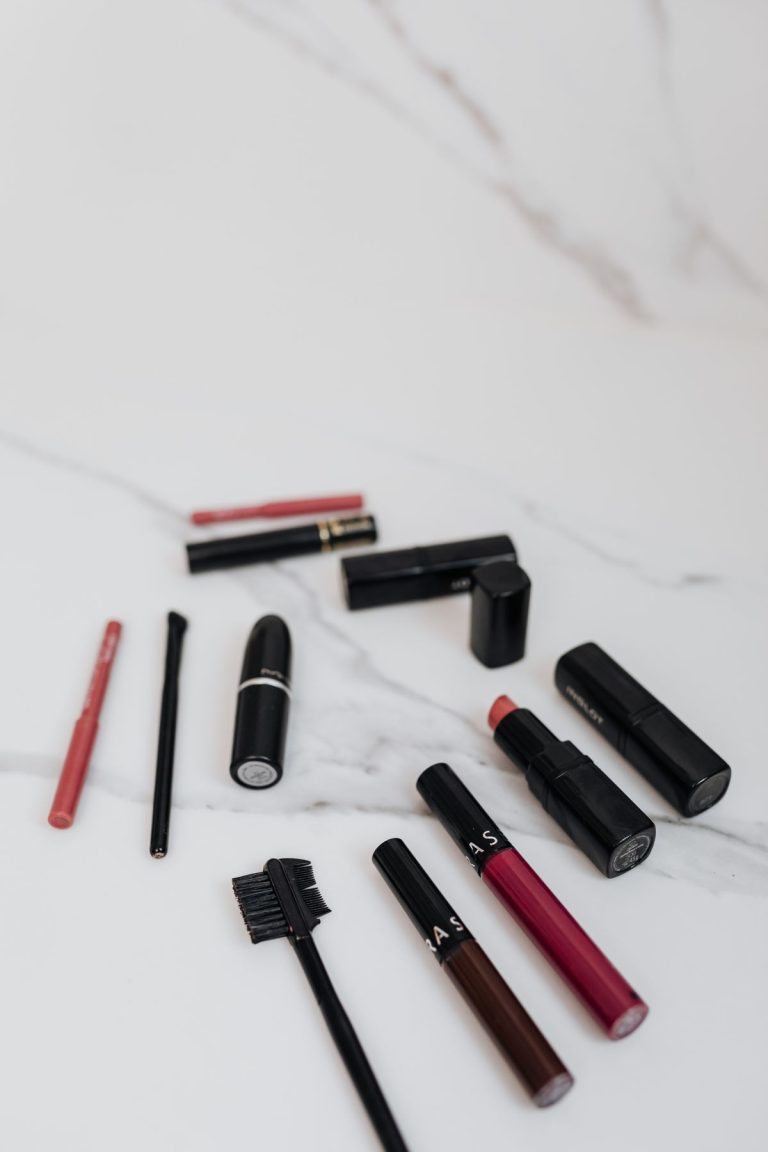
Did you know there are nearly 80,000 man-made chemicals in circulation today? They’re all around us, but today, let’s shine a light on the toxins that come into direct contact with our skin. There are many sneaky toxins in personal care products. These harmful chemicals can be found in skincare, makeup, lotions, soaps, hair products, and even everyday essentials like tampons and condoms. On top of that, they can also lurk in our cleaning products.
Consider this: on average, a woman uses about 12 cosmetic or personal care products every day. That translates to a staggering 160 DIFFERENT toxic chemical ingredients we’re exposed to before we even begin our day. Our skin, our body’s largest organ, absorbs what we apply to it. This mechanism is akin to how topical pain relievers like Biofreeze cream work (though we advise opting for peppermint essential oils due to the presence of other undesirable ingredients in Biofreeze).
Toxins In Personal Care Products
- Parabens: These are synthetic preservatives used to extend the shelf life of products. They can disrupt hormone function and have been linked to breast cancer.
- Formaldehyde: This is a known carcinogen used in nail polish, hair straightening products, and some cosmetics.
- Triclosan: This antibacterial agent is often found in soaps and toothpaste. It can disrupt thyroid function and contribute to antibiotic resistance.
- Phthalates: These are used to make plastics more flexible and are found in fragrances, nail polish, and hair sprays. They have been linked to reproductive issues and hormone disruption.
- Lead: This toxic metal can be found in lipstick and other cosmetics. It can cause developmental and neurological problems.
- Toluene: This solvent is used in nail polish and hair dyes. It can cause headaches, dizziness, and respiratory problems.
- Benzophenone: This is a UV filter found in sunscreen and other personal care products. It can disrupt hormone function and has been linked to cancer.
- Oxybenzone: This is another UV filter found in sunscreen. It can disrupt hormone function and has been linked to coral reef damage.
- Fragrance: This term can refer to a combination of chemicals used to add scent to products. Many of these chemicals are undisclosed and can cause allergic reactions and hormone disruption.
- Sodium Lauryl Sulfate (SLS): This is a foaming agent found in shampoos, soaps, and toothpaste. It can cause skin irritation and has been linked to cancer.
- Mercury: This toxic metal can be found in some skin lightening products. It can cause neurological and kidney damage.
- Coal Tar: This is a byproduct of coal processing used in some shampoos and hair dyes. It can cause skin irritation and has been linked to cancer.
- Hydroquinone: This is a skin lightening agent found in some cosmetics. It can cause skin irritation and has been linked to cancer.
- Butylated hydroxyanisole (BHA): This is a preservative used in some cosmetics. It has been linked to cancer and hormone disruption.
Looking for toxin-free options? Check out our top picks and shop our favorite toxic-free companies on LTK!
Why Toxins Matter
Exposure to toxins in personal care products can have serious health consequences. Many of these chemicals are endocrine disruptors, meaning they can interfere with hormone function and lead to a range of health problems, including reproductive issues, thyroid problems, and cancer. Additionally, some of these chemicals can accumulate in the body over time, leading to long-term health effects.
What You Can Do About It
There are several steps you can take to reduce your exposure to toxins in personal care products. First, read labels carefully and avoid products that contain the chemicals listed above. Look for labels like “Clean Beauty” or “Non-Toxic” to help you identify safer products. Second, choose natural and organic products whenever possible. These products are typically made with fewer chemicals and are less likely to contain harmful toxins. Third, be mindful of the products you use every day and try to limit your exposure to those that contain the most toxins.
Toxins in personal care products are a serious concern, but there are steps you can take to protect yourself and your family. By reading labels, choosing natural and organic products, and being mindful of your exposure, you can reduce your risk of health problems associated with these chemicals. Remember, your health is worth investing in, so take the time to make informed choices about the products you use every day.
We recommend checking out our EquiLife detox kits for a structured approach to detoxification.

Please note that we make a small commission at no additional charge to you on any products you purchased through our links. We only promote products we personally use and have had a positive impact on our life. Thank you for supporting our small women owned business! We appreciate you!